When Surgery May Help Plantar Fasciitis

Plantar fasciitis involves inflammation of the thick band of tissue along the bottom of the foot, often causing heel pain with the first steps of the day. Most cases improve with conservative care, but when chronic pain persists and limits daily or physical activities surgery may be considered . The procedure typically involves releasing a small portion of the plantar fascia to reduce tension and improve movement. Good candidates are those who have not responded to other treatments and continue to experience significant discomfort. Risk factors include overuse, poor footwear, and foot structure. A podiatrist can provide non-surgical care, and determine if surgery is appropriate. If you have symptoms of plantar fasciitis, it is suggested that you consult a podiatrist who can provide a proper diagnosis and determine the best treatment option for you.

Foot surgery is sometimes necessary to treat a foot ailment. To learn more, contact Sharmila Das-Wattley, DPM of Home Wound Healing. Our doctor will assist you with all of your foot and ankle needs.

When Is Surgery Necessary?

Foot and ankle surgery is generally reserved for cases in which less invasive, conservative procedures have failed to alleviate the problem. Some of the cases in which surgery may be necessary include:

  • Removing foot deformities like bunions and bone spurs
  • Severe arthritis that has caused bone issues
  • Cosmetic reconstruction

What Types of Surgery Are There?

The type of surgery you receive will depend on the nature of the problem you have. Some of the possible surgeries include:

  • Bunionectomy for painful bunions
  • Surgical fusion for realignment of bones
  • Neuropathy decompression surgery to treat nerve damage

Benefits of Surgery

Although surgery is usually a last resort, it can provide more complete pain relief compared to non-surgical methods and may allow you to finally resume full activity.

Surgical techniques have also become increasingly sophisticated. Techniques like endoscopic surgery allow for smaller incisions and faster recovery times.

If you have any questions, please feel free to contact our office located in Florida . We offer the newest diagnostic and treatment technologies for all your foot care needs.


Read more about Foot Surgery

Ease Painful Feet With Orthotics

Custom orthotics can be used to relieve foot pain and discomfort. They're also used to treat various foot conditions and deformities. Flat feet, bunions, and Morton's neuroma are just a few of the foot conditions that have been known to benefit from the use of orthotics.

Comfy feet are happy feet! Contact us today.

Lupus Can Lead to Foot Problems

Lupus is a long-term autoimmune condition in which the body’s immune system mistakenly attacks healthy tissue. This leads to inflammation throughout the body, including the feet. The result is joint pain, swelling, and stiffness that make walking uncomfortable. The small joints in the feet and ankles are often involved, which can limit movement and affect completing daily activities. Lupus can also affect blood vessels, leading to poor circulation that causes the toes to feel cold, appear discolored, or become painful as blood flow changes. Skin problems like rashes or slow-healing sores also can develop. In addition, nerve irritation may lead to numbness, tingling, or burning sensations. A podiatrist can assess foot function, evaluate circulation, and test nerve health to address these issues. If you are suffering from foot pain related to lupus, it is suggested that you schedule an appointment with a podiatrist for relief tips and management of this condition. 

When dealing with systemic disease of the feet, it is extremely important to check the affected areas routinely so that any additional problems are caught quickly.  If you have any concerns about your feet and ankles contact Sharmila Das-Wattley, DPM from Home Wound Healing. Our doctor will assist you with all of your podiatric needs.

Systemic Diseases of the Feet

Systemic diseases affect the whole body, and symptoms usually are displayed in the feet. This condition can make a patient’s ability to walk unbearable.  Systemic diseases include gout, diabetes mellitus, neurological disorders, and arthritis.

Gout – is caused by an excess of uric acid in the body. Common symptoms include pain, inflammation, and redness at the metatarsal/phalangeal joint of the base big toe. Gout can be treated by NSAIDs to relieve pain and inflammation, and other drugs that lower the acid levels in the body.

Diabetes mellitus – is an increase in the level of blood sugar that the body cannot counteract with its own insulin. Failure to produce enough insulin is a factor in Diabetes.

Diabetes of the Feet

Diabetic Neuropathy – may lead to damaged nerves and affect the feet through numbness and loss of sensation.

Peripheral Vascular Disease – can restrict the blood flow to the feet, and often times lead to amputation of the feet. 

If you have any questions please contact our office located in Florida . We offer the newest diagnostic and treatment technologies for all your foot and ankle needs.

Read more about Systemic Diseases of the Foot

Loss of Balance Can Add to Risk of Falls

Balance issues often begin with problems in the feet and ankles, especially as people age. Good balance depends on being able to feel the ground and move with stability. Diabetes-related nerve damage, called neuropathy, can reduce feeling in the feet and affect the balance. Fallen arches, arthritis, joint stiffness, and painful foot deformities can also change the way a person walks and increase the risk of falling. Shoes that do not fit well or do not provide enough support can further affect balance and lead to slips or trips. A podiatrist can examine foot structure, check circulation and nerve function, and identify problems that affect balance and safe movement. Treatment includes custom orthotics, bracing, and guidance on supportive footwear. Improving foot stability can help retain balance and reduce the risk of falls. If you have injured your foot or ankle from falling, it is suggested that you schedule an appointment with a podiatrist for effective treatment solutions and prevention tips.

Preventing falls among the elderly is very important. If you are older and have fallen or fear that you are prone to falling, consult with Sharmila Das-Wattley, DPM from Home Wound Healing. Our doctor will assess your condition and provide you with quality advice and care.

Every 11 seconds, an elderly American is being treated in an emergency room for a fall related injury. Falls are the leading cause of head and hip injuries for those 65 and older. Due to decreases in strength, balance, senses, and lack of awareness, elderly persons are very susceptible to falling. Thankfully, there are a number of things older persons can do to prevent falls.

How to Prevent Falls

Some effective methods that older persons can do to prevent falls include:

  • Enrolling in strength and balance exercise program to increase balance and strength
  • Periodically having your sight and hearing checked
  • Discuss any medications you have with a doctor to see if it increases the risk of falling
  • Clearing the house of falling hazards and installing devices like grab bars and railings
  • Utilizing a walker or cane
  • Wearing shoes that provide good support and cushioning
  • Talking to family members about falling and increasing awareness

Falling can be a traumatic and embarrassing experience for elderly persons; this can make them less willing to leave the house, and less willing to talk to someone about their fears of falling. Doing such things, however, will increase the likelihood of tripping or losing one’s balance. Knowing the causes of falling and how to prevent them is the best way to mitigate the risk of serious injury.  

If you have any questions, please feel free to contact our office located in Florida . We offer the newest diagnostic and treatment technologies for all your foot care needs.

Read more about Falls Prevention

Dark Vertical Toenail Streaks Linked to Infection

A single dark line running lengthwise along the toenail can be concerning and is not always due to injury or pigmentation changes. In some cases, it may be caused by an infection that affects the nail structure and alters its color. This type of presentation can be mistaken for more serious conditions, which makes early assessment important. The discoloration often appears as a narrow stripe and may slowly change, over time. Contributing factors can include trauma, a weakened immune response, or prolonged exposure to moist environments. Because the appearance can resemble other nail disorders, proper diagnosis is essential to guide treatment. A podiatrist can examine the nail, determine the cause, and recommend appropriate care to restore nail health. If you notice a persistent dark streak on your toenail, it is suggested that you seek podiatric advice promptly to ensure an accurate diagnosis and effective management.

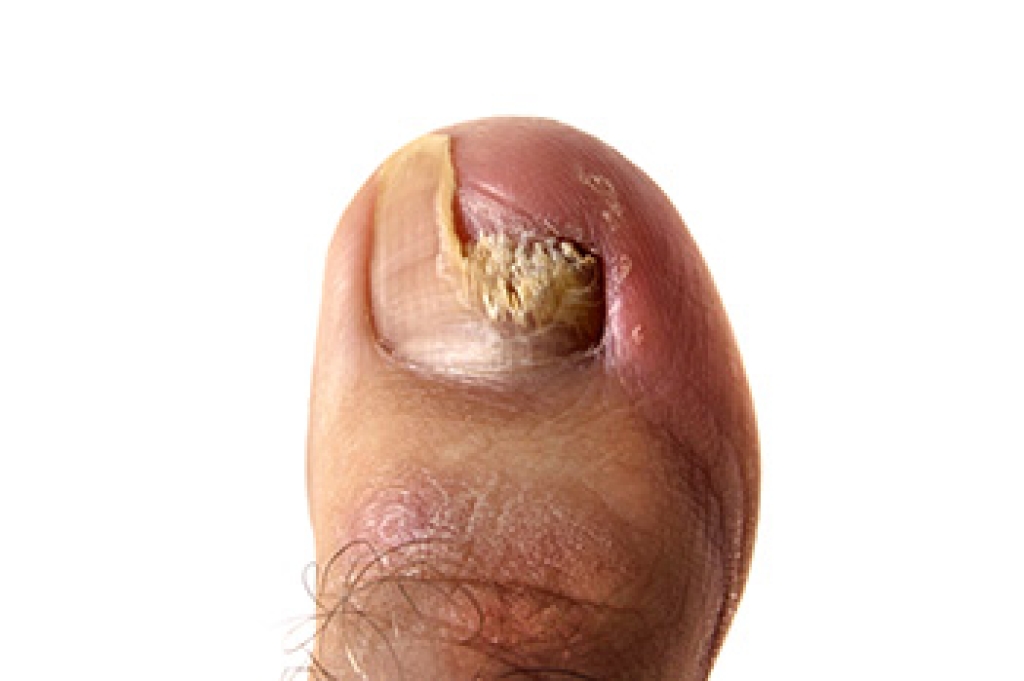
If left untreated, toenail fungus may spread to other toenails, skin, or even fingernails. If you suspect you have toenail fungus it is important to seek treatment right away. For more information about treatment, contact Sharmila Das-Wattley, DPM of Home Wound Healing. Our doctor can provide the care you need to keep you pain-free and on your feet.

Symptoms

  • Warped or oddly shaped nails
  • Yellowish nails
  • Loose/separated nail
  • Buildup of bits and pieces of nail fragments under the nail
  • Brittle, broken, thickened nail

Treatment

If self-care strategies and over-the-counter medications does not help your fungus, your podiatrist may give you a prescription drug instead. Even if you find relief from your toenail fungus symptoms, you may experience a repeat infection in the future.

Prevention

In order to prevent getting toenail fungus in the future, you should always make sure to wash your feet with soap and water. After washing, it is important to dry your feet thoroughly especially in between the toes. When trimming your toenails, be sure to trim straight across instead of in a rounded shape. It is crucial not to cover up discolored nails with nail polish because that will prevent your nail from being able to “breathe”.

In some cases, surgical procedure may be needed to remove the toenail fungus. Consult with your podiatrist about the best treatment options for your case of toenail fungus.  

If you have any questions please contact our office located in Florida . We offer the newest diagnostic and treatment technologies for all your foot and ankle needs.

Read more about Toenail Fungus
scroll to top