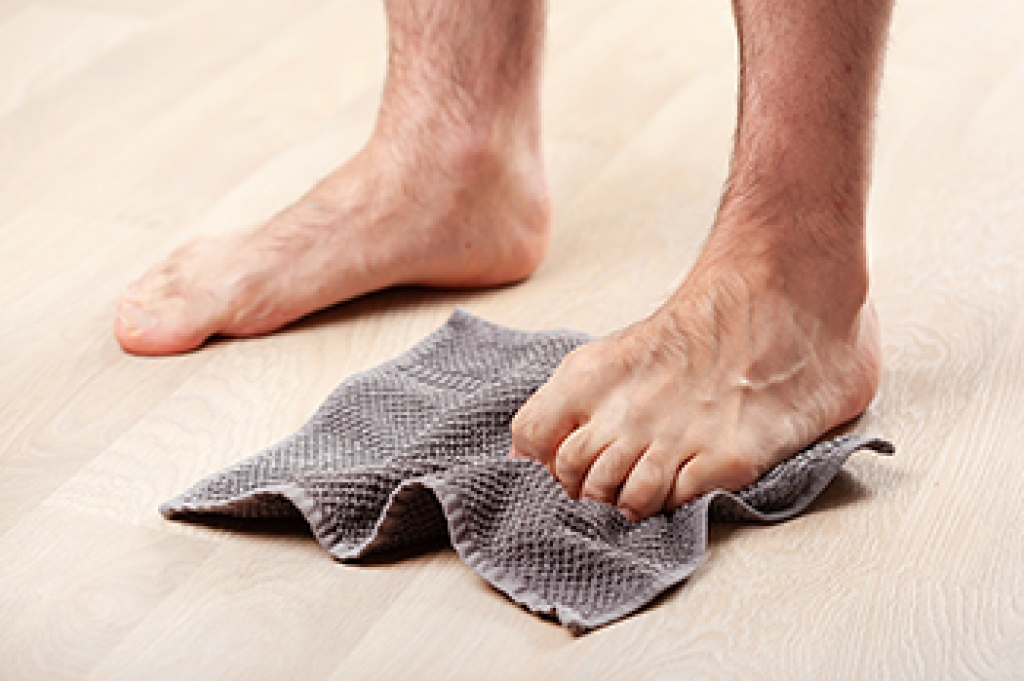
Exercises That Help Support Flexible Flat Feet

Flexible flat feet occur when the arch of the foot appears normal while sitting, but flattens when standing or walking. This type of foot structure can place extra strain on muscles, tendons, and ligaments that support the arch. Strengthening the small muscles of the feet and ankles may help improve alignment and stability. One helpful exercise is the towel curl. Place a towel on the floor and use your toes to slowly scrunch it toward you while keeping the heel on the ground. Another effective movement is the short foot exercise, which gently lifts the arch by drawing the ball of the foot toward the heel without curling the toes. Calf stretching is also beneficial because tight calf muscles can affect foot mechanics. Practicing these exercises regularly may support better foot function, over time. If flat feet cause pain or difficulty with activity, it is suggested that you see a podiatrist for relief strategies.

Exercising your feet regularly with the proper foot wear is a great way to prevent injuries and build strength. If you have any concerns about your feet, contact Sharmila Das-Wattley, DPM from Home Wound Healing. Our doctor can provide the care you need to keep you pain-free and on your feet.

Exercise for Your Feet

Exercise for your feet can help you gain strength, mobility and flexibility in your feet. They say that strengthening your feet can be just as rewarding as strengthening another part of the body. Your feet are very important, and we often forget about them in our daily tasks. But it is because of our feet that are we able to get going and do what we need to. For those of us fortunate enough to not have any foot problems, it is an important gesture to take care of them to ensure good health in the long run.

Some foot health exercises can include ankle pumps, tip-toeing, toe rises, lifting off the floor doing reps and sets, and flexing the toes. It is best to speak with Our doctor to determine an appropriate regimen for your needs. Everyone’s needs and bodies are different, and the activities required to maintain strength in the feet vary from individual to individual. 

Once you get into a routine of doing regular exercise, you may notice a difference in your feet and how strong they may become.

If you have any questions, please feel free to contact our office located in Florida . We offer the newest diagnostic and treatment technologies for all your foot care needs.
Read more about Exercise for Your Feet

Why Athlete’s Foot Is Seen More Often in Men

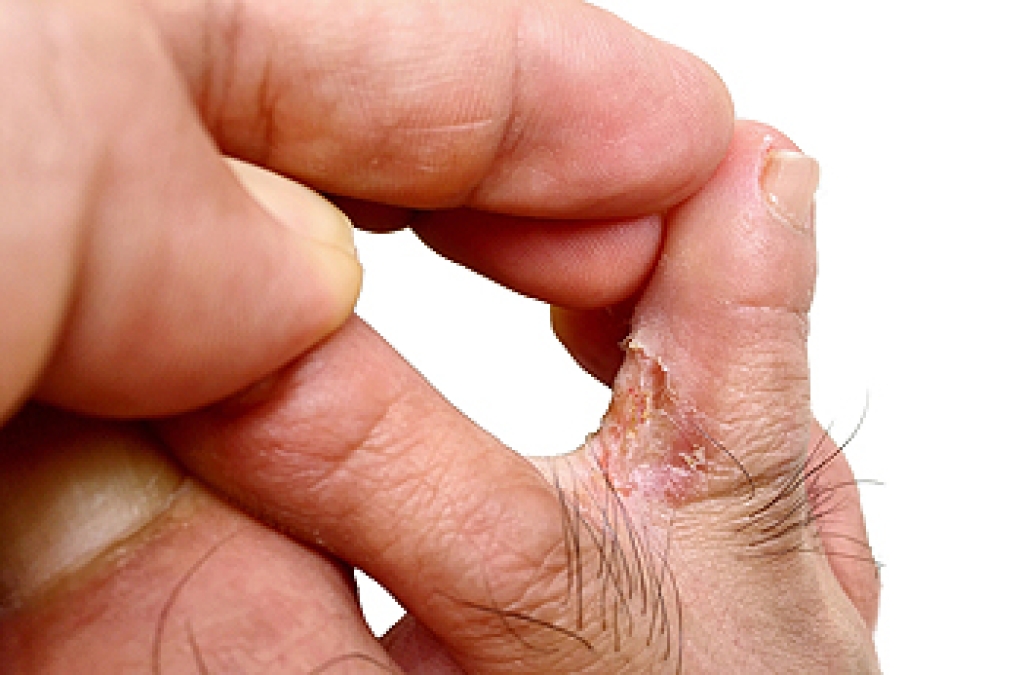
Tinea pedis, commonly known as athlete’s foot, is a fungal infection that affects the skin of the feet, especially the areas between the toes. The infection often causes itching, redness, peeling skin, and sometimes cracking or burning. The fungus grows best in warm, moist environments such as sweaty shoes, locker rooms, and public showers. Research shows that tinea pedis occurs more frequently in males than in females. One reason is that men often spend long hours in closed shoes for work, sports, or daily activities, which creates the damp conditions that fungi prefer. Men also tend to sweat more from the feet, which further encourages fungal growth. Repeated use of shared athletic spaces may also increase exposure. Good foot hygiene, wearing dry socks, and breathable footwear can help reduce risk. When foot itching, scaling, or irritation does not improve, it is suggested that you see a podiatrist for a proper diagnosis and appropriate treatment.

Athlete’s Foot

Athlete’s foot is often an uncomfortable condition to experience. Thankfully, podiatrists specialize in treating athlete’s foot and offer the best treatment options. If you have any questions about athlete’s foot, consult with Sharmila Das-Wattley, DPM from Home Wound Healing. Our doctor will assess your condition and provide you with quality treatment.

What Is Athlete’s Foot?

Tinea pedis, more commonly known as athlete’s foot, is a non-serious and common fungal infection of the foot. Athlete’s foot is contagious and can be contracted by touching someone who has it or infected surfaces. The most common places contaminated by it are public showers, locker rooms, and swimming pools. Once contracted, it grows on feet that are left inside moist, dark, and warm shoes and socks.

Prevention

The most effective ways to prevent athlete’s foot include:

  • Thoroughly washing and drying feet
  • Avoid going barefoot in locker rooms and public showers
  • Using shower shoes in public showers
  • Wearing socks that allow the feet to breathe
  • Changing socks and shoes frequently if you sweat a lot

Symptoms

Athlete’s foot initially occurs as a rash between the toes. However, if left undiagnosed, it can spread to the sides and bottom of the feet, toenails, and if touched by hand, the hands themselves. Symptoms include:

  • Redness
  • Burning
  • Itching
  • Scaly and peeling skin

Diagnosis and Treatment

Diagnosis is quick and easy. Skin samples will be taken and either viewed under a microscope or sent to a lab for testing. Sometimes, a podiatrist can diagnose it based on simply looking at it. Once confirmed, treatment options include oral and topical antifungal medications.

If you have any questions, please feel free to contact our office located in Florida . We offer the newest diagnostic and treatment technologies for all your foot care needs.

Read more about Athlete's Foot

Easing Big Toe Joint Arthritis Without Surgery

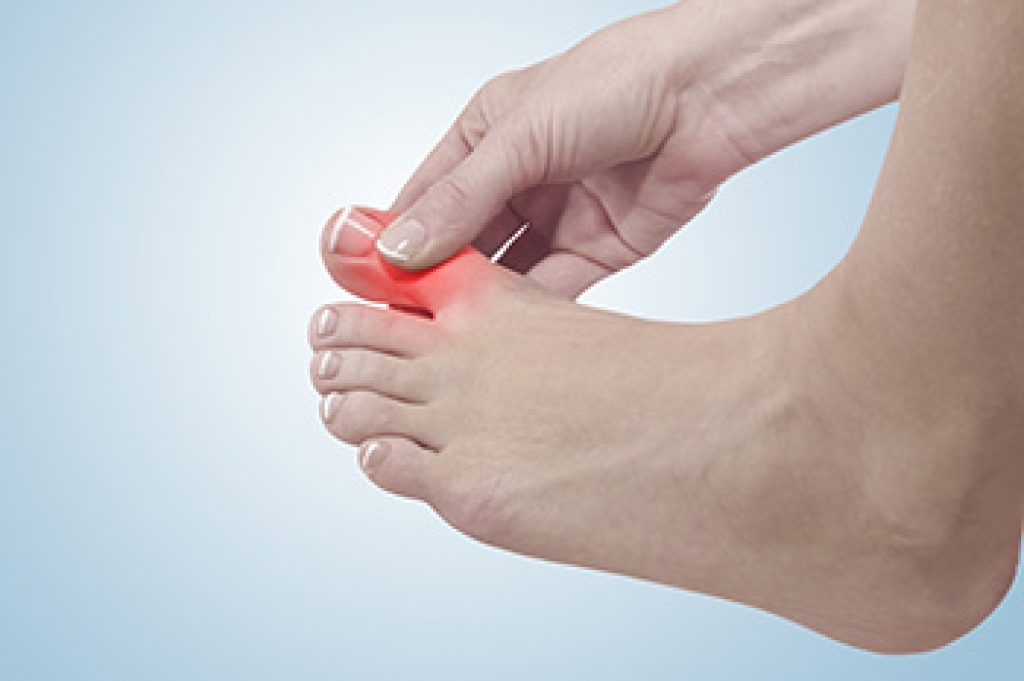
Arthritis of the big toe joint can make walking painful and limit daily activity. This condition develops when the cartilage that cushions the joint wears down over time. As the joint becomes stiff and inflamed, patients may notice swelling, reduced motion, and discomfort when pushing off the foot. Many people find relief through non-surgical treatment options. Wearing supportive shoes with a stiff sole can reduce strain on the joint. Custom orthotics help control motion and improve alignment during walking. Anti-inflammatory medications may decrease pain and swelling. In some cases, corticosteroid injections provide temporary relief. Targeted exercises can improve flexibility and strengthen surrounding muscles, which supports better joint function. Early care often slows progression and improves comfort. Ignoring symptoms may lead to worsening stiffness and limited mobility. If you are experiencing ongoing pain or reduced movement in your big toe joint, it is suggested that you see a podiatrist for a proper diagnosis and appropriate treatment.

Arthritis can be a difficult condition to live with. If you are seeking treatment, contact Sharmila Das-Wattley, DPM from Home Wound Healing. Our doctor can provide the care you need to keep you pain-free and on your feet.

Arthritic Foot Care  

Arthritis is a term that is commonly used to describe joint pain.  The condition itself can occur to anyone of any age, race, or gender, and there are over 100 types of it.  Nevertheless, arthritis is more commonly found in women compared to men, and it is also more prevalent in those who are overweight. The causes of arthritis vary depending on which type of arthritis you have. Osteoarthritis for example, is often caused by injury, while rheumatoid arthritis is caused by a misdirected immune system.

Symptoms

  • Swelling
  • Pain
  • Stiffness
  • Decreased Range of Motion

Arthritic symptoms range in severity, and they may come and go. Some symptoms stay the same for several years but could potentially get worse with time. Severe cases of arthritis can prevent its sufferers from performing daily activities and make walking difficult.

Risk Factors

  • Occupation – Occupations requiring repetitive knee movements have been linked to osteoarthritis
  • Obesity – Excess weight can contribute to osteoarthritis development
  • Infection – Microbial agents can infect the joints and trigger arthritis
  • Joint Injuries – Damage to joints may lead to osteoarthritis
  • Age – Risk increases with age
  • Gender –Most types are more common in women
  • Genetics – Arthritis can be hereditary

If you suspect your arthritis is affecting your feet, it is crucial that you see a podiatrist immediately. Your doctor will be able to address your specific case and help you decide which treatment method is best for you.

If you have any questions please feel free to contact our office located in Florida . We offer the newest diagnostic tools and technology to treat your foot and ankle needs.

Read more about How to Care for Your Arthritic Foot

Heel Pain in the Morning?

Heel pain can negatively affect your day-to-day life. Simple activities like walking can become incredibly uncomfortable or painful due to heel pain.

Don’t live with heel pain and get treated.

When an Ingrown Toenail Turns Into a Bigger Foot Problem

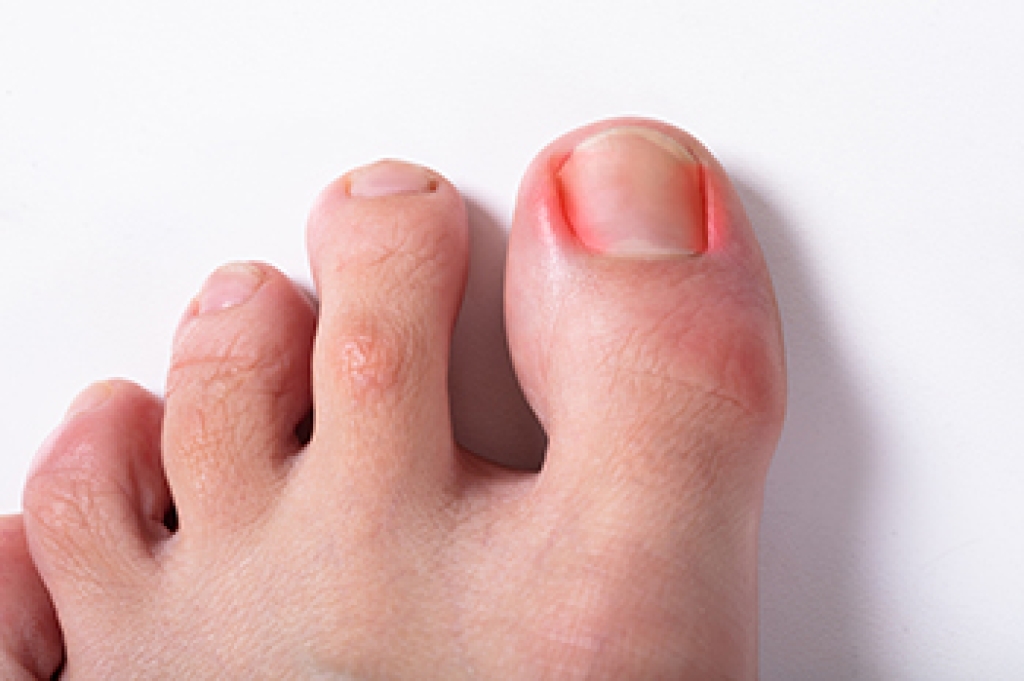
An ingrown toenail often begins with tenderness along the nail edge, but without proper care, it can progress into a painful and complicated condition. As the nail digs into surrounding skin, germs such as bacteria or yeast may enter, leading to swelling, redness, drainage, and increasing discomfort. Repeated inflammation can cause the skin around the nail to thicken and scar, making future episodes more likely. In more advanced cases, infection may spread into deeper tissues or bone, requiring more involved care. People with diabetes are especially vulnerable due to slower healing, reduced circulation, and a higher risk of wounds and tissue damage. Some individuals are also naturally prone to recurring ingrown toenails because of nail shape or genetics, which can interfere with daily comfort and mobility. Because early treatment can prevent serious complications, it is suggested that you see a podiatrist for a diagnosis and appropriate care.

Ingrown toenails can become painful if they are not treated properly. For more information about ingrown toenails, contact Sharmila Das-Wattley, DPM of Home Wound Healing. Our doctor can provide the care you need to keep you pain-free and on your feet.

Ingrown Toenails

Ingrown toenails occur when a toenail grows sideways into the bed of the nail, causing pain, swelling, and possibly infection.

Causes

  • Bacterial infections
  • Improper nail cutting such as cutting it too short or not straight across
  • Trauma to the toe, such as stubbing, which causes the nail to grow back irregularly
  • Ill-fitting shoes that bunch the toes too close together
  • Genetic predisposition

Prevention

Wearing proper fitting shoes and using proper cutting techniques will also help decrease your risk of developing ingrown toenails.

Treatment

Ingrown toenails are a very treatable foot condition. In minor cases, soaking the affected area in salt or antibacterial soaps will not only help with the ingrown nail itself, but also help prevent any infections from occurring. In more severe cases, surgery is an option. In either case, speaking to your podiatrist about this condition will help you get a better understanding of specific treatment options that are right for you.

If you have any questions, please feel free to contact our office located in Florida . We offer the newest diagnostic and treatment technologies for all your foot care needs.
Read more about Ingrown Toenail Care
scroll to top