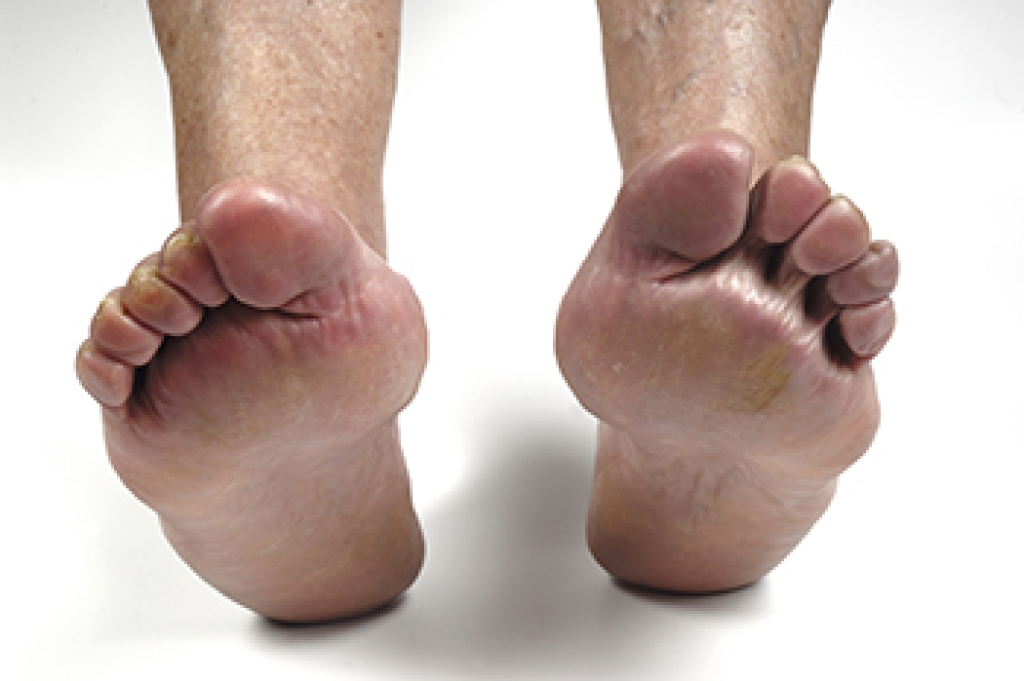
Foot Pain May Be Linked to Rheumatoid Arthritis

Foot pain is sometimes an early sign of rheumatoid arthritis, an autoimmune condition that causes inflammation in the joints. Unlike wear and tear osteoarthritis, rheumatoid arthritis often affects both feet and can involve the toes, midfoot, ankles, and surrounding soft tissues. People may notice stiffness that is worse in the morning, swelling, warmth, or pain that improves slowly with movement. Over time, inflammation can lead to joint deformities, changes in walking patterns, and increased pressure on certain areas of the foot. Early recognition is important because rheumatoid arthritis can progress and affect daily mobility. Wearing supportive footwear, custom orthotics, and activity modifications may help reduce strain on painful joints. When foot pain, swelling, or stiffness persists, it is suggested that you see a podiatrist for an evaluation, diagnosis, and appropriate treatment. Coordinated care with a rheumatologist is often part of long-term management. 

Because RA affects more than just your joints, including the joints in your feet and ankles, it is important to seek early diagnosis from your podiatrist if you feel like the pain in your feet might be caused by RA. For more information, contact Sharmila Das-Wattley, DPM of Home Wound Healing. Our doctor will assist you with all of your podiatric concerns.

What Is Rheumatoid Arthritis?

Rheumatoid Arthritis (RA) is an autoimmune disorder in which the body’s own immune system attacks the membranes surrounding the joints. Inflammation of the lining and eventually the destruction of the joint’s cartilage and bone occur, causing severe pain and immobility.

Rheumatoid Arthritis of the Feet

Although RA usually attacks multiple bones and joints throughout the entire body, almost 90 percent of cases result in pain in the foot or ankle area.

Symptoms

  • Swelling and pain in the feet
  • Stiffness in the feet
  • Pain on the ball or sole of feet
  • Joint shift and deformation

Diagnosis

Quick diagnosis of RA in the feet is important so that the podiatrist can treat the area effectively. Your doctor will ask you about your medical history, occupation, and lifestyle to determine the origin of the condition. Rheumatoid Factor tests help to determine if someone is affected by the disease.

If you have any questions, please feel free to contact our office located in Florida . We offer the newest diagnostic and treatment technologies for all your foot care needs.
Read more about Rheumatoid Arthritis in the Feet

When a Nerve in Your Foot Starts to Misbehave

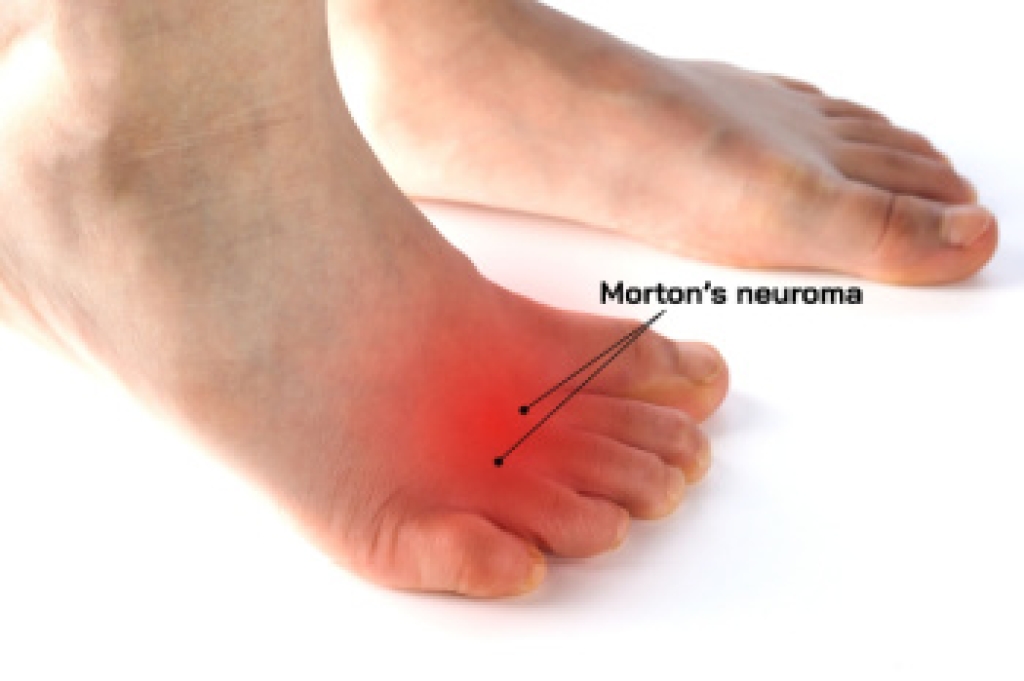
Morton’s neuroma develops when a nerve between the toes becomes irritated and begins to thicken, creating a mix of burning, tingling, or sharp discomfort in the front of the foot. Many people describe the sensation as if a small object is trapped under the ball of the foot, and the feeling often becomes stronger with wearing tight shoes or pressure on the toes. As the nerve becomes more inflamed, even short walks can feel uncomfortable, and certain footwear may be hard to tolerate. Reducing pressure on the area and choosing shoes that allow the toes to spread naturally can help calm early symptoms, but neuromas usually do not fade away without proper care. If you notice recurring burning or numbness in this part of your foot, it is suggested that you see a podiatrist for a clear diagnosis and effective treatment options.

Morton’s neuroma is a very uncomfortable condition to live with. If you think you have Morton’s neuroma, contact Sharmila Das-Wattley, DPM of Home Wound Healing. Our doctor will attend to all of your foot care needs and answer any of your related questions.  

Morton’s Neuroma

Morton's neuroma is a painful foot condition that commonly affects the areas between the second and third or third and fourth toe, although other areas of the foot are also susceptible. Morton’s neuroma is caused by an inflamed nerve in the foot that is being squeezed and aggravated by surrounding bones.

What Increases the Chances of Having Morton’s Neuroma?

  • Ill-fitting high heels or shoes that add pressure to the toe or foot
  • Jogging, running or any sport that involves constant impact to the foot
  • Flat feet, bunions, and any other foot deformities

Morton’s neuroma is a very treatable condition. Orthotics and shoe inserts can often be used to alleviate the pain on the forefront of the feet. In more severe cases, corticosteroids can also be prescribed. In order to figure out the best treatment for your neuroma, it’s recommended to seek the care of a podiatrist who can diagnose your condition and provide different treatment options.

If you have any questions, please feel free to contact our office located in Florida . We offer the newest diagnostic and treatment technologies for all your foot care needs.

Read more about Morton's Neuroma

Symptoms and Causes of Fungal Toenails

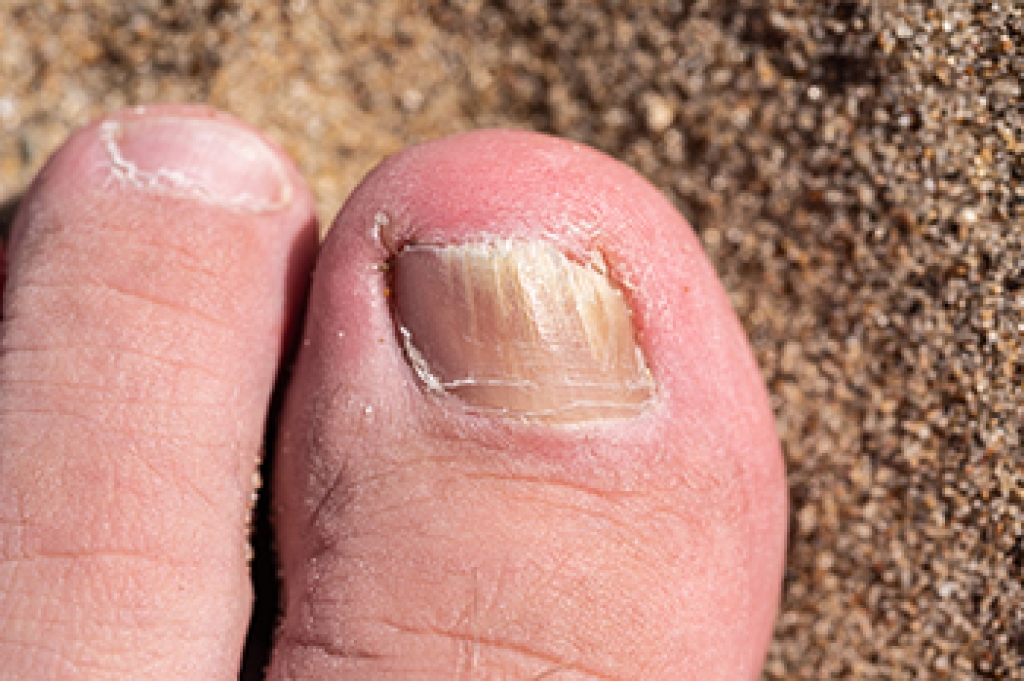
Fungal toenails develop gradually and affect the appearance and health of nails. Symptoms include thickened nails, discoloration ranging from yellow to brown, brittle edges, and changes in nail shape. Some people notice lifting of the nail from the nail bed, surface debris, or an unpleasant odor. Discomfort can occur when pressure is applied. Causes are linked to fungal organisms that thrive in warm, moist environments and enter through small breaks in the nail or surrounding skin. Risk factors include nail trauma, reduced circulation, and advancing age. Certain medical conditions and prolonged exposure to damp footwear or communal surfaces are other factors. A podiatrist can confirm the diagnosis through examination and testing and rule out other nail disorders. Medical treatment is aimed at clearing infection and protecting nail growth. If you have symptoms of toenail fungus, it is suggested that you make an appointment with a podiatrist for an exam, diagnosis, and treatment.

For more information about treatment, contact Sharmila Das-Wattley, DPM of Home Wound Healing. Our doctor can provide the care you need to keep you pain-free and on your feet.

Toenail Fungus Treatment

Toenail fungus is a condition that affects many people and can be especially hard to get rid of. Fortunately, there are several methods to go about treating and avoiding it.

Antifungals & Deterrence

Oral antifungal medicine has been shown to be effective in many cases. It is important to consult with a podiatrist to determine the proper regiment for you, or potentially explore other options.

Applying foot powder on the feet and shoes helps keep the feet free of moisture and sweat.

Sandals or open toed shoes – Wearing these will allow air movement and help keep feet dry. They also expose your feet to light, which fungus cannot tolerate. Socks with moisture wicking material also help as well.

If you have any questions please contact our office located in Florida . We offer the newest diagnostic and treatment technologies for all your foot and ankle needs.

Read more about How to Treat Your Toenail Fungus

Let the Expert Treat Your Ingrown Toenails

Ingrown toenails can be painful and can make wearing shoes or walking uncomfortable. Seek professional help if you believe you've developed an ingrown toenail and be treated safely. 

Podiatric Treatment for Athlete’s Foot

Athlete’s foot is a common fungal skin infection that affects the feet, especially between the toes, and thrives in warm, moist environments. Symptoms may include itching, burning, redness, peeling skin, cracking, and discomfort that can worsen with sweating. Causes often involve exposure to fungi in locker rooms, public showers, or shared footwear. Risk factors include excessive sweating, wearing tight or non- breathable shoes, weakened immunity, and prolonged damp conditions. A podiatrist can help by accurately diagnosing the infection, prescribing effective antifungal treatments, and providing guidance on proper foot hygiene and prevention. Early care can prevent the infection from spreading or recurring. If you notice persistent foot irritation or scaling, it is suggested that you consult a podiatrist who can offer effective treatment solutions, which may include prescribed medication.

Athlete’s foot is an inconvenient condition that can be easily reduced with the proper treatment. If you have any concerns about your feet and ankles, contact Sharmila Das-Wattley, DPM from Home Wound Healing.  Our doctor will treat your foot and ankle needs.

Athlete’s Foot: The Sole Story

Athlete's foot, also known as tinea pedis, can be an extremely contagious foot infection. It is commonly contracted in public changing areas and bathrooms, dormitory style living quarters, around locker rooms and public swimming pools, or anywhere your feet often come into contact with other people.

Solutions to Combat Athlete’s Foot

  • Hydrate your feet by using lotion
  • Exfoliate
  • Buff off nails
  • Use of anti-fungal products
  • Examine your feet and visit your doctor if any suspicious blisters or cuts develop

Athlete’s foot can cause many irritating symptoms such as dry and flaking skin, itching, and redness. Some more severe symptoms can include bleeding and cracked skin, intense itching and burning, and even pain when walking. In the worst cases, Athlete’s foot can cause blistering as well. Speak to your podiatrist for a better understanding of the different causes of Athlete’s foot, as well as help in determining which treatment options are best for you.

If you have any questions please feel free to contact our office located in Florida . We offer the newest diagnostic and treatment technologies for all your foot and ankle needs.

Read more about Athlete’s Foot
scroll to top