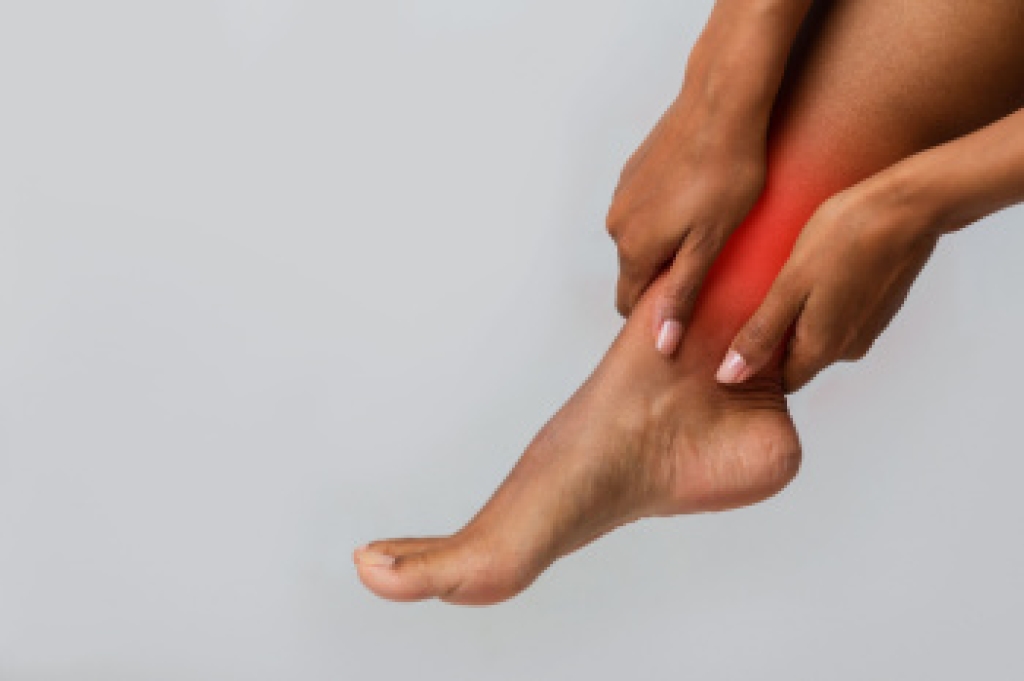
A Closer Look at a Torn Achilles Tendon

An Achilles tendon rupture often occurs suddenly and may feel like a sharp snap or pop in the back of the lower leg. Many people describe an immediate sense of being kicked or struck, followed by difficulty putting weight on the foot. Pain can be intense at first, then shift to a deep aching sensation. Swelling, bruising, and weakness often develop quickly, and pointing the toes downward may feel difficult or impossible. Some individuals notice a small gap or soft spot along the tendon where the tear occurred. Daily movements such as walking, climbing stairs, or pushing off the ball of the foot become challenging. Quick recognition is important because early treatment supports healing and helps protect long-term function. If you have sudden pain, weakness, or loss of movement in the back of the leg, it is suggested that you see a podiatrist for a proper diagnosis and appropriate treatment.

Achilles tendon injuries need immediate attention to avoid future complications. If you have any concerns, contact Sharmila Das-Wattley, DPM of Home Wound Healing. Our doctor can provide the care you need to keep you pain-free and on your feet.

What Is the Achilles Tendon?

The Achilles tendon is a tendon that connects the lower leg muscles and calf to the heel of the foot. It is the strongest tendon in the human body and is essential for making movement possible. Because this tendon is such an integral part of the body, any injuries to it can create immense difficulties and should immediately be presented to a doctor.

What Are the Symptoms of an Achilles Tendon Injury?

There are various types of injuries that can affect the Achilles tendon. The two most common injuries are Achilles tendinitis and ruptures of the tendon.

Achilles Tendinitis Symptoms

  • Inflammation
  • Dull to severe pain
  • Increased blood flow to the tendon
  • Thickening of the tendon

Rupture Symptoms

  • Extreme pain and swelling in the foot
  • Total immobility

Treatment and Prevention

Achilles tendon injuries are diagnosed by a thorough physical evaluation, which can include an MRI. Treatment involves rest, physical therapy, and in some cases, surgery. However, various preventative measures can be taken to avoid these injuries, such as:

  • Thorough stretching of the tendon before and after exercise
  • Strengthening exercises like calf raises, squats, leg curls, leg extensions, leg raises, lunges, and leg presses

If you have any questions please feel free to contact our office located in Florida . We offer the newest diagnostic tools and technology to treat your foot and ankle needs.

Read more about What are Achilles Tendon Injuries

Treating Plantar Warts for Healthy Feet

Plantar warts are small growths on the soles of the feet caused by the human papillomavirus, or HPV, which enters the skin through tiny cuts or abrasions. They are commonly found on weight bearing areas, such as the heels or balls of the feet. A plantar wart may appear as a rough, grainy patch with small black dots, which are tiny blood vessels. They can feel painful or tender, especially when walking or standing for long periods, and some may cause a feeling of pressure, like walking on a small pebble. Plantar warts are more common in children and young adults, and they can spread through direct contact with contaminated surfaces like locker rooms or swimming pool areas. A podiatrist can evaluate the lesion to confirm the diagnosis and rule out other conditions. Treatments may include topical therapies or minor surgical removal. Early intervention helps reduce discomfort and prevent spreading. If you notice persistent growths on your feet, it is suggested that you make an appointment with a podiatrist.

Plantar warts can be very uncomfortable. If you need your feet checked, contact Sharmila Das-Wattley, DPM from Home Wound Healing. Our doctor will assist you with all of your foot and ankle needs.

About Plantar Warts

Plantar warts are the result of HPV, or human papillomavirus, getting into open wounds on the feet. They are mostly found on the heels or balls of the feet.

While plantar warts are generally harmless, those experiencing excessive pain or those suffering from diabetes or a compromised immune system require immediate medical care. Plantar warts are easily diagnosed, usually through scraping off a bit of rough skin or by getting a biopsy.

Symptoms

  • Lesions on the bottom of your feet, usually rough and grainy
  • Hard or thick callused spots
  • Wart seeds, which are small clotted blood vessels that look like little black spots
  • Pain, discomfort, or tenderness of your feet when walking or standing

Treatment

  • Freezing
  • Electric tool removal
  • Laser Treatment
  • Topical Creams (prescription only)
  • Over-the-counter medications

To help prevent developing plantar warts, avoid walking barefoot over abrasive surfaces that can cause cuts or wounds for HPV to get into. Avoiding direct contact with other warts, as well as not picking or rubbing existing warts, can help prevent the further spread of plantar warts. However, if you think you have developed plantar warts, speak to your podiatrist. He or she can diagnose the warts on your feet and recommend the appropriate treatment options.

If you have any questions, please feel free to contact our office located in Florida . We offer the newest diagnostic and treatment technologies for all your foot care needs.


Read more about All About Plantar Warts

Understanding Chondrosarcoma of the Talus

Chondrosarcoma of the talus is an extremely rare bone cancer that develops in the cartilage-producing cells of the ankle. Because the talus plays a central role in weight-bearing and motion, early symptoms may appear subtle and are often mistaken for routine ankle problems. People may notice persistent pain, swelling, or stiffness that does not improve with rest. As the condition progresses, discomfort may intensify, and walking can become more difficult. Unlike common ankle injuries, this type of tumor tends to cause symptoms that gradually worsen rather than improve. Early evaluation is important because accurate diagnosis requires imaging and expert assessment. A podiatrist can recognize when symptoms are out of the ordinary and guide you toward the appropriate specialists for further testing and treatment. If you have ongoing ankle pain or swelling that does not respond to typical care, it is suggested you see a podiatrist for timely evaluation.

Ankle pain can be caused by a number of problems and may be potentially serious. If you have ankle pain, consult with Sharmila Das-Wattley, DPM  from Home Wound Healing. Our doctor will assess your condition and provide you with quality foot and ankle treatment.

Ankle pain is any condition that causes pain in the ankle. Due to the fact that the ankle consists of tendons, muscles, bones, and ligaments, ankle pain can come from a number of different conditions.

Causes

The most common causes of ankle pain include:

  • Types of arthritis (rheumatoid, osteoarthritis, and gout)
  • Ankle sprains
  • Broken ankles
  • Achilles tendonitis
  • Achilles tendon rupture
  • Stress fractures
  • Bursitis
  • Tarsal tunnel syndrome
  • Plantar fasciitis

Symptoms

Symptoms of ankle injury vary based upon the condition. Pain may include general pain and discomfort, swelling, aching, redness, bruising, burning or stabbing sensations, and/or loss of sensation.

Diagnosis

Due to the wide variety of potential causes of ankle pain, podiatrists will utilize a number of different methods to properly diagnose ankle pain. This can include asking for personal and family medical histories and of any recent injuries. Further diagnosis may include sensation tests, a physical examination, and potentially x-rays or other imaging tests.

Treatment

Just as the range of causes varies widely, so do treatments. Some more common treatments are rest, ice packs, keeping pressure off the foot, orthotics and braces, medication for inflammation and pain, and surgery.

If you have any questions please feel free to contact our office located in Florida . We offer the newest diagnostic tools and technology to treat your foot and ankle needs.

Read more about Ankle Pain
scroll to top